
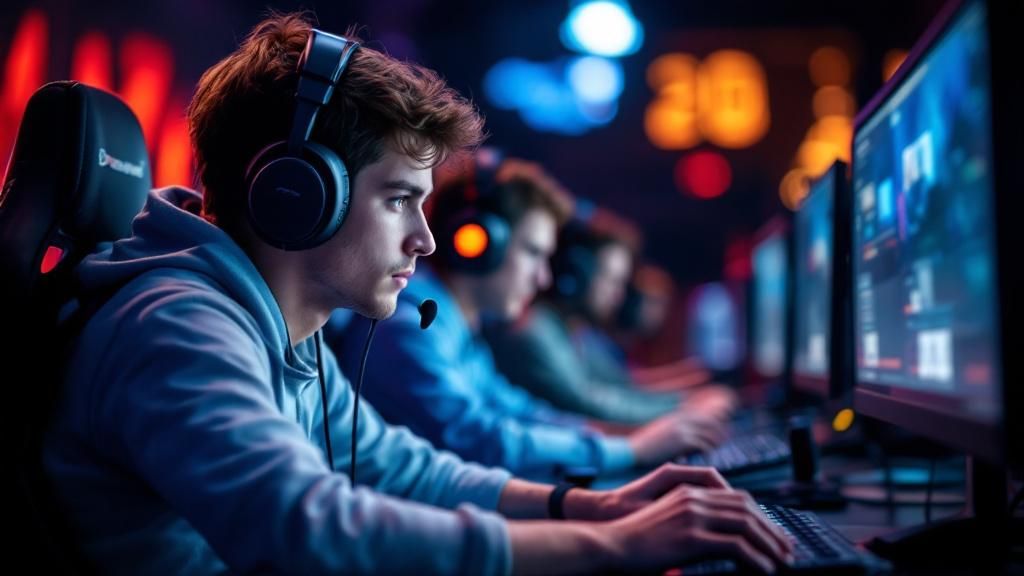
The esports industry has experienced a remarkable transformation, with professional teams now recognising that competitive gaming demands more than exceptional skill and reflexes. Mental health has emerged as a essential component of player performance and wellbeing, prompting leading organisations to invest substantially in psychological support services. From specialist mental health professionals to tailored wellness programmes, this article explores how top esports teams are pioneering robust mental wellbeing strategies, tackling burnout, anxiety, and the unique pressures of professional gaming.
The Increasing Significance Of Mental Health In Competitive Gaming
The esports landscape has undergone a profound shift in the past few years, with mental health becoming a cornerstone of competitive achievement. Elite esports organisations now acknowledge that consistent high-level play requires psychological resilience alongside technical skill. Players encounter intense demands, including intense competition, global scrutiny, and rigorous training regimens. Consequently, forward-thinking teams have started focusing on psychological health as central to their competitive strategy, recognising that a player’s mental condition directly influences their competitive output and longevity within the profession.
Professional esports presents distinct mental health pressures that differentiate it from traditional sports. The sedentary nature of gaming, combined with prolonged time spent on screens and social isolation, generates distinct mental health concerns. Players commonly face competitive stress, notably during high-stakes tournaments where significant financial stakes and lucrative sponsorships are at stake. Additionally, the relatively young demographic of professional gamers means many lack the emotional development and psychological strategies to manage such high-level stress. Teams dedicating support to player mental health initiatives recognise these distinctive challenges and customise their support strategies, making certain players receive appropriate psychological care.
The social prejudice linked to mental health in gaming has traditionally prevented frank dialogue about mental health challenges. However, recent high-profile cases of player burnout and mental health crises have driven meaningful change within the industry. Modern competitive gaming bodies now promote mental wellbeing openly, demonstrating that accessing mental health care signals resilience not fragility. This societal change has legitimised dialogue on anxiety, depression, and stress management amongst athletes and support personnel. By destigmatising mental health discussions, top organisations establish spaces where players feel comfortable accessing support before conditions deteriorate.
Support of mental health infrastructure reflects esports’ maturation as a competitive industry. Elite organisations now engage dedicated mental health professionals, mental performance coaches, and wellness coordinators. These professionals work collaboratively with players to create coping strategies, handle stress, and maintain psychological equilibrium throughout demanding competitive seasons. Furthermore, holistic health initiatives often cover physical conditioning, nutrition support, and sleep optimisation, recognising that overall wellbeing strengthens mental resilience and sustained competitive performance.
The monetary impact of disregarding psychological wellbeing are considerable for professional esports outfits. Player exhaustion leads to reduced performance, increased turnover, and fractured team unity, consequently influencing tournament results and income streams. Conversely, organisations making strategic investments in wellbeing programmes achieve better player retention, enhanced morale, and demonstrably better tournament results. This business case has convinced even traditionally sceptical stakeholders that mental health services amounts to a prudent expenditure rather than a discretionary expense, fundamentally reshaping how competitive gaming outfits distribute funding.
Extensive Psychological Wellbeing Programmes Across Elite Teams
Major esports organisations have established integrated wellbeing frameworks that go well past conventional wellness programs. These extensive programmes acknowledge that esports athletes face distinctive psychological challenges, such as high-pressure competition, irregular schedules, and persistent observation of internet viewers. Top teams now retain specialist psychological experts, carry out periodic health evaluations, and create supportive group settings where players feel comfortable talking about wellbeing matters without concern about judgement or workplace ramifications.
Professional Mental Wellbeing Support Services
The inclusion of trained mental wellbeing experts within esports companies represents a notable transformation in industry standards. Many leading organisations now engage sports psychologists, clinical counsellors, and mental conditioning coaches who work directly with players to establish management techniques and resilience techniques. These specialists offer personalised therapeutic sessions, collective training programmes, and acute crisis assistance, ensuring that players obtain prompt access to professional support whenever psychological challenges arise during their competitive careers.
Professional psychological support goes further than traditional therapy, incorporating performance enhancement and mental conditioning techniques specifically adapted to competitive gaming. Mental health professionals partner with coaching staff to embed psychological training into daily training sessions, helping players strengthen mental clarity, control nervousness, and preserve mental balance during high-stakes tournaments. This multidisciplinary approach guarantees that mental wellbeing is woven within team culture rather than remaining a peripheral concern.
- Individual therapy sessions tackling personal psychological concerns
- Competitive stress support and stress reduction strategies
- Rest quality enhancement and circadian rhythm management initiatives
- Substance abuse prevention and addiction support support
- Emergency response and urgent psychiatric support access
Teams have acknowledged that preventative mental health measures demonstrate significantly effective than responsive treatments. Routine psychological screenings help spot early warning signs before they progress to major mental health breakdowns, enabling practitioners to deploy prompt therapeutic approaches. This forward-thinking strategy decreases athlete exhaustion, minimises competitive disruptions, and develops protective team atmospheres where psychological wellbeing receives equivalent consideration with physical conditioning and tactical preparation.
The presence of dedicated mental health professionals also normalises psychological support within esports culture, encouraging players to seek help without experiencing shame or judgment. By showing institutional dedication to mental wellbeing through professional staffing, teams communicate that psychological health holds equivalent importance with competitive performance. This change in attitudes has proven instrumental in diminishing prejudice, enhancing willingness to seek assistance, and fostering team cohesion through collective dedication to overall player mental health and support.
Impact And Future Outlook
The commitment to mental health support by professional esports teams is already yielding measurable results. Players report better consistency across matches, reduced anxiety during high-stakes tournaments, and higher levels of overall satisfaction. Organisations have observed lower staff turnover and stronger cohesion amongst squads with robust psychological support systems. These favourable findings demonstrate that placing emphasis on mental health directly supports competitive success, challenging outdated perceptions that gaming performance depends exclusively on technical proficiency and mechanical skill.
Looking ahead, mental health support will likely become a standard expectation within professional esports. Sector experts expect further specialisation of psychological services, with teams employing esports psychologists with expertise in esports environments. As the industry develops and prize money grows, teams will increasingly acknowledge that extensive player support initiatives constitute essential investments rather than discretionary spending, fundamentally transforming the entire competitive landscape.
